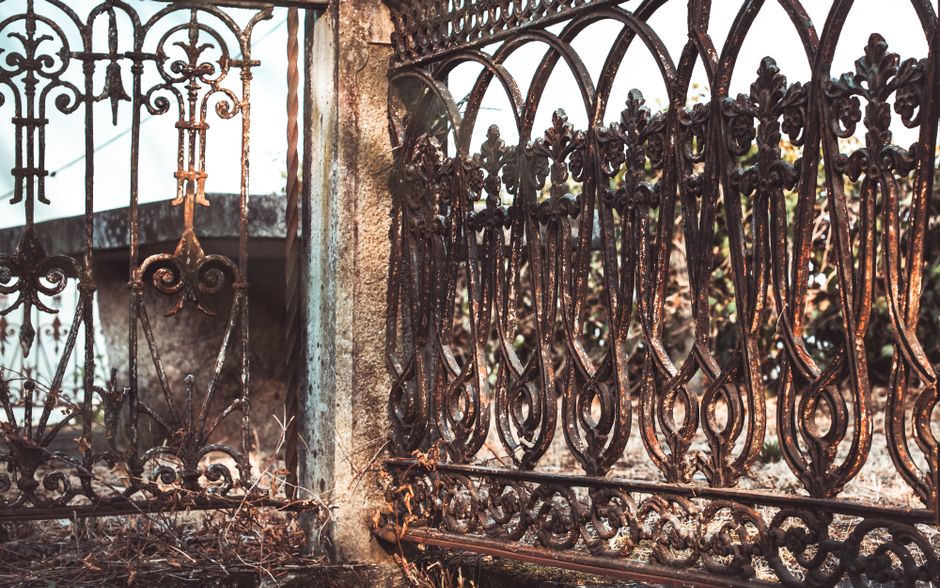
Ornamental Iron Gates in Leander, TX
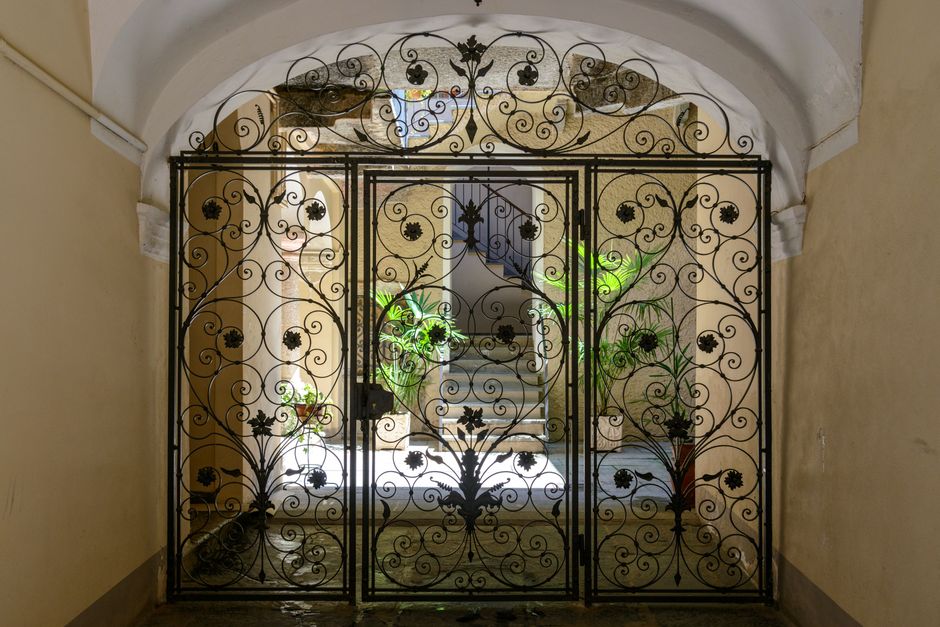
Local notes on ornamental iron gates in leander, tx.
What We Cover
- How Limestone Soil Affects Iron Gate Posts Why the thin clay over limestone around Leander moves gate posts, and how deeper footings and good drainage keep an iron gate hanging straight.
- How Do I Match an Iron Gate to a Leander Home How to choose the style, scale and finish of an ornamental iron gate so it suits the house, the driveway and the neighborhood.
- Will Texas Sun Fade an Ornamental Iron Gate Finish How long summers, heat and ultraviolet light wear paint and powder coat on an iron gate, and what keeps the finish looking good longer.
- What Picket Spacing Should an Ornamental Iron Gate Have How the gap between pickets affects safety for children and pets, the look of the gate and the way it handles wind.
- What Makes an Iron Gate Ornamental Scrolls, finials, spears and rings: the decorative parts that turn a plain iron driveway gate into an ornamental one, and how they are built.
- Why Does My Ornamental Iron Gate Sag The common causes of a sagging iron gate, from worn hinges and a leaning post to a frame too light for the opening, and how each is fixed.
Ornamental Iron Gates in Leander, TX
An ornamental iron gate suits a Leander driveway when its frame is strong, its posts reach stable ground and its decoration fits the house. The look comes from scrolls, finials and pickets, but the strength comes from the tube frame and the footings underneath.
Looks and Build
Scrollwork and spear tops draw the eye, yet a gate lasts because of what is out of sight. A fully welded frame, hinges rated for the weight and a coating that reaches every edge keep the gate straight and bright for many seasons.
Ground and Weather
Limestone sits close under the clay across Williamson County. The clay moves with wet and dry spells, so a post set only in clay leans over time. A deep footing drilled into stable ground holds the line. Long, bright summers add their own wear to paint and powder coat, so the preparation under the finish matters.
Fitting the Neighborhood
Homes near Crystal Falls, Devine Lake Park and the 183A Toll Road corridor, and across Cedar Park and Liberty Hill, vary in style. A gate that repeats the lines of the house and the fence beside it looks like it belongs.
Choosing a Style
Classic scrolls, plain spears and modern straight pickets all work on iron. A traditional brick house often suits curls and finials, while a clean modern house suits simple lines. A Hill Country ranch look suits a sturdier, more rugged form. Walk to the street, look at the front of the house and note the shapes it already uses.
Safety and Spacing
Picket spacing decides who can slip through. Homes with small children or dogs need tight gaps, while others can use an open pattern. Spear tips and finials add height and a bold line, and each shape changes the safety picture, so pick them with the household in mind.
Guides
The guides here cover what makes a gate ornamental, how limestone soil affects the posts, how Texas sun treats the finish, what picket spacing to choose, why gates sag and how to match a gate to a home.
Latest Guides
Keeping an Ornamental Iron Gate in Good Shape
2026-11-08
An ornamental iron gate stays in good shape with a short routine each season: wash it, look it over, touch up the finish and check the hinges and the latch. In Leander, TX the long summers and the shifting limestone ground give small problems a chance to grow, so a few minutes of attention save a larger repair later.
Why routine care matters
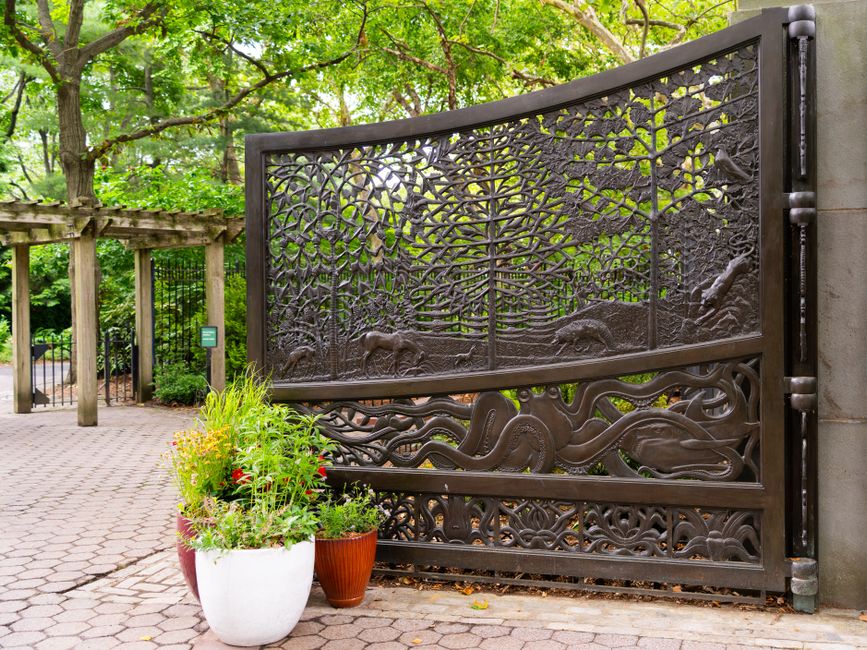
Iron and steel gates fail slowly. A chip in the coating lets moisture in, rust spreads under the paint and the damage grows for months before it shows. A hinge that is a little dry wears faster, and a post that leans a fraction of an inch pulls on the latch. None of these needs much to fix when found early.
Wash it a few times a year

Dust, pollen and dirt hold moisture against the surface and dull the finish. Wash the gate with mild soap and water and a soft brush or cloth, working from the top down. Rinse well and let the gate dry in the sun. Avoid harsh cleaners and wire brushes, which scratch the coating and open the way for rust.
Pay attention to the lower rail and the spots where leaves and mulch collect. Water sits there longest, and rust starts there first.
Look it over in spring and fall
Walk around the gate and check every joint and edge. Look for chips, scratches, bubbles in the paint and any orange or brown stains. Check the welds, especially at the bottom of the pickets and the corners of the frame. A hairline crack or rust bleeding from a joint is a sign that the weld is opening.
Look at the base of the posts too. The ground line is where rust likes to start, and where the concrete may be cracking.
Touch up small spots
Small chips can be fixed in minutes. Sand the spot lightly to remove loose paint and rust, wipe it clean and dry, then apply a rust inhibiting primer and a matching topcoat. Use a small brush and thin coats. Waiting until a spot spreads makes the work larger.
For bigger areas, clean to bare metal, prime and repaint the whole section so the color matches. Painting over rust only hides it for a short time.
Hinges and the latch
Hinges carry the weight of the gate. Grease fittings need a squirt of grease a couple of times a year, and plain pins benefit from a drop of oil. Check for play by lifting the latch end gently. If the hinge moves, tighten the bolts or replace the worn part.
Check the latch and the strike plate for rust and alignment. A latch that sticks or misses its mark is often a sign that the gate has shifted, so look at the post and the hinges as well.
Watch the gap and the swing
Stand back and look at the gap along the latch side and under the bottom rail. It should be even from top to bottom. If it narrows at the top or the gate begins to drag, a post has likely moved. Hinges can adjust for a small change, but a leaning post needs to be reset.
Open and close the gate through its full swing. It should move smoothly and stop where it should. Listen for squeaks and grinding, which point to dry or worn hinges.
Ground, drainage and sprinklers
Water at the base of the posts speeds rust and feeds the shifting clay. Keep sprinklers pointed away from the gate and the posts, and let the soil slope away from the footings. Trim plants that touch the gate, since they hold moisture and scratch the finish.
Automatic operators
If the gate has an opener, add its checks to the routine. Clean the sensors, test the safety devices and look at the battery. Heat is hard on batteries and control boxes, so check them before summer. Do not force a gate against its motor, since that strips gears and bends parts.
Heat and the finish
Texas sun fades and chalks the coating over the years. A south facing gate takes the most, so check it first. A fresh topcoat before the finish fails is much easier than recoating after rust has set in. Light colors hold up better than very dark ones in strong sun.
A simple calendar
In spring, wash the gate, inspect it and touch up the finish. Before summer, grease the hinges and check any opener battery. In fall, wash again and look over the posts after the summer heat. After any big storm, check for debris and for movement.
When to call a pro
Call a welder or installer when you see a cracked weld, a leaning post, a bent frame or rust that has eaten through the metal. These repairs need the right tools, and a delay lets the damage spread. Small touch ups and cleaning you can do yourself.
Cleaning tools that are safe
A soft cloth, a sponge and a bucket of mild soap are enough for most gates. A soft nylon brush reaches into scrollwork and around finials where dust collects. Skip steel wool and abrasive pads, since they scratch the coating, and keep solvents away from powder coat unless the maker approves them.
Seasonal storms and debris
Spring storms bring wind, hail and fallen branches across Williamson County. After a storm, walk around the gate and look for dents, bent pickets and scraped paint. Clear leaves and twigs from the lower rail and from the track of any opener. Deal with scrapes quickly, since bare steel starts to rust within days when it stays damp.
Keeping records
Write down the date of each wash, each touch up and each hinge service, and note the color and brand of the paint you used. A short record helps you plan the next repainting and gives a technician a clear history if something goes wrong. Keep a small jar of the matching paint labeled and sealed for chips.
What not to do
Do not use a pressure washer at close range, since it strips the coating and drives water into joints. Do not paint over rust, grease or dirt, and do not force a stuck gate open. Do not hang heavy planters or signs from the pickets, because they add load and wear on the frame and the hinges.
Small habits that help
Open the gate fully each time instead of letting it swing against a stop, wipe the latch when you wash the pickets and keep vines and shrubs trimmed back. A gate that is used gently and cleaned often shows its age slowly, and the entrance keeps its look.
The payoff
A few minutes each season keeps an ornamental gate straight, smooth and bright for decades. It costs far less than a rebuild, and it keeps the entrance of your home looking the way you wanted when you chose it.

Wrought Iron Versus Mild Steel for Ornamental Gates
2026-11-08
Most gates sold as wrought iron today are made of mild steel, and for a driveway in Leander, TX that is usually the better choice. True wrought iron is a historic material that is rarely produced now, while mild steel is strong, consistent and easy to weld. The label matters less than the build, the finish and the care the gate receives.
What wrought iron really was

Wrought iron was made by heating iron and working it with hammers, which left long strands of slag in the metal. Those strands gave it a fibrous grain and a good resistance to rust. Blacksmiths shaped it by hand, and old gates and railings made this way can still be found on historic buildings.
Production of true wrought iron ended in the last century. What shops sell now as wrought iron is mild steel that has been formed and welded into traditional shapes. The term has stuck because it describes the look rather than the metal.
Why mild steel is the norm

Mild steel is low in carbon, which makes it easy to cut, bend and weld. It is made to consistent standards, so a shop knows how it will behave. It is strong enough for large driveway gates when the frame is sized for the load, and it can be bought as tube, bar, flat and plate in many sizes.
Because it is widely made, mild steel costs less than a hand forged alternative and is easier to repair. A welder can mend a crack or add a section years later and match the original.
Rust is the real enemy
Mild steel rusts when moisture reaches bare metal. Wrought iron resisted rust somewhat better, but even old wrought iron needs paint. For either material, the finish and the preparation decide how long the gate lasts.
A good shop cleans the metal by blasting or grinding to remove mill scale. Then comes a rust inhibiting primer and a topcoat or powder coat. Edges, welds and the insides of tube need attention, because rust starts there. A gate with these steps done well can look good for decades.
Galvanized and stainless choices
Galvanized steel is coated in zinc, which protects against rust. It is a common base for gates in damp climates and can be painted over. Stainless steel resists rust well but is harder to work and does not take decorative forming as easily. For ornamental driveway gates, painted or powder coated mild steel remains the usual choice, and galvanizing is an option for extra protection.
Weight and strength
Mild steel tube gives a strong frame at a reasonable weight. A very heavy gate loads the hinges and posts, so the frame should be only as heavy as the opening requires. Hand forged solid bar looks rich but is far heavier, and the posts and hinges would have to be sized to match.
Cost and value over time
A cheap gate that rusts through in a few seasons costs more than a well built one that lasts. The material is only one part of the price. Preparation, coating, post depth and hinge quality add the most value, and they are the parts that buyers often cannot see. Ask for a clear description of each step so you can compare quotes on equal terms.
Questions that sort the good from the rest
Ask how the surface is cleaned before the primer goes on. Ask whether the inside of the tube is sealed or drained, since trapped water rusts a frame from the inside. Ask how the hinge post is set and how deep the footing goes. Ask what warranty covers the finish and the welds, and read what it says. A shop that answers plainly and shows finished work is usually a safe bet.
Matching new work to old
If you already have an iron fence or a gate, the new piece should match it. Mild steel can be formed to copy an older pattern, and a good shop can match the picket size, the spacing and the color. Bring photos and measurements, and ask to see a sample of the finish in daylight before the work begins.
Tubing size and thickness
The wall thickness of the tube matters as much as its outside size. Thin wall tube looks fine when new but dents, bends and rusts through sooner. For a gate of any width, ask for the wall thickness in writing and compare it with the width of the opening. A heavier wall costs a little more steel and gives a much longer life.
Heat in the Hill Country
Long Texas summers make metal expand and heat the finish. Both materials handle heat well, but a dark coat on a south facing gate gets very hot. Choosing a quality coating and leaving a small clearance at the latch and the bottom handles the movement.
Sizing the posts for either material
The material of the gate does not change what the posts must do. A heavy leaf pulls on the hinge post every time it swings, so the post needs enough size and depth to resist bending and tipping. Steel tube posts filled with concrete and set in a deep, wide footing handle most driveway gates. Where limestone sits near the surface, drilling into the rock gives the steadiest hold.
Welding and repair years later
Mild steel welds cleanly even after many years, so a shop can add a section, mend a crack or change a latch bracket long after the gate was built. Clean the area to bare metal first, weld, grind smooth and recoat so the repair does not rust. Ask who will service the gate and whether they can match the original finish.
Look for the details
Ask the shop what material the gate uses, what thickness the tube is and how the surface is prepared. Ask whether the welds are ground and sealed. Look at the finish on a sample, and run a hand along the edges to check that the coating is even.
Repair and age
A mild steel gate that is cared for can last for decades. When a section fails, a welder can cut it out and replace it. If you own an old wrought iron piece, it is worth repairing it by hand, since it cannot be replaced in kind. For new work, a well built steel gate gives the same look and a long life.
Choosing for your driveway
For most Leander homes the choice is mild steel, built with a sturdy frame, deep footings and a well applied coating. The word iron on the quote is a style, not a promise of material. Ask the questions above and judge the answers, and you will know much more than the label can tell you.
A short summary
True wrought iron belongs to history, mild steel does the job today, and the finish, the posts and the welds decide how the gate ages. Spend your time on those details, and the gate will look right and work well for many years.