Wrought Iron Versus Mild Steel for Ornamental Gates
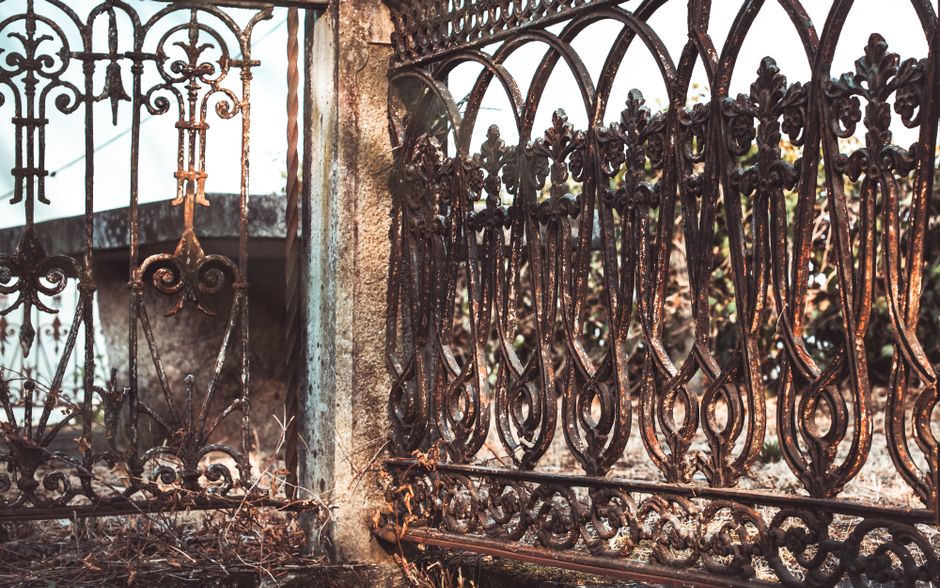
Most gates sold as wrought iron today are made of mild steel, and for a driveway in Leander, TX that is usually the better choice. True wrought iron is a historic material that is rarely produced now, while mild steel is strong, consistent and easy to weld. The label matters less than the build, the finish and the care the gate receives.
What wrought iron really was

Wrought iron was made by heating iron and working it with hammers, which left long strands of slag in the metal. Those strands gave it a fibrous grain and a good resistance to rust. Blacksmiths shaped it by hand, and old gates and railings made this way can still be found on historic buildings.
Production of true wrought iron ended in the last century. What shops sell now as wrought iron is mild steel that has been formed and welded into traditional shapes. The term has stuck because it describes the look rather than the metal.
Why mild steel is the norm
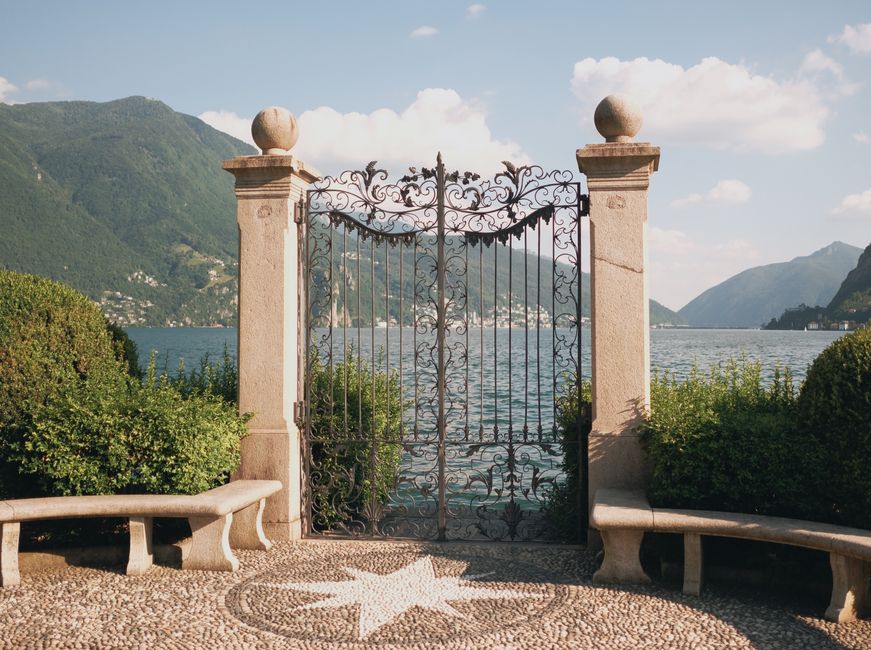
Mild steel is low in carbon, which makes it easy to cut, bend and weld. It is made to consistent standards, so a shop knows how it will behave. It is strong enough for large driveway gates when the frame is sized for the load, and it can be bought as tube, bar, flat and plate in many sizes.
Because it is widely made, mild steel costs less than a hand forged alternative and is easier to repair. A welder can mend a crack or add a section years later and match the original.
Rust is the real enemy
Mild steel rusts when moisture reaches bare metal. Wrought iron resisted rust somewhat better, but even old wrought iron needs paint. For either material, the finish and the preparation decide how long the gate lasts.
A good shop cleans the metal by blasting or grinding to remove mill scale. Then comes a rust inhibiting primer and a topcoat or powder coat. Edges, welds and the insides of tube need attention, because rust starts there. A gate with these steps done well can look good for decades.
Galvanized and stainless choices
Galvanized steel is coated in zinc, which protects against rust. It is a common base for gates in damp climates and can be painted over. Stainless steel resists rust well but is harder to work and does not take decorative forming as easily. For ornamental driveway gates, painted or powder coated mild steel remains the usual choice, and galvanizing is an option for extra protection.
Weight and strength
Mild steel tube gives a strong frame at a reasonable weight. A very heavy gate loads the hinges and posts, so the frame should be only as heavy as the opening requires. Hand forged solid bar looks rich but is far heavier, and the posts and hinges would have to be sized to match.
Cost and value over time
A cheap gate that rusts through in a few seasons costs more than a well built one that lasts. The material is only one part of the price. Preparation, coating, post depth and hinge quality add the most value, and they are the parts that buyers often cannot see. Ask for a clear description of each step so you can compare quotes on equal terms.
Questions that sort the good from the rest
Ask how the surface is cleaned before the primer goes on. Ask whether the inside of the tube is sealed or drained, since trapped water rusts a frame from the inside. Ask how the hinge post is set and how deep the footing goes. Ask what warranty covers the finish and the welds, and read what it says. A shop that answers plainly and shows finished work is usually a safe bet.
Matching new work to old
If you already have an iron fence or a gate, the new piece should match it. Mild steel can be formed to copy an older pattern, and a good shop can match the picket size, the spacing and the color. Bring photos and measurements, and ask to see a sample of the finish in daylight before the work begins.
Tubing size and thickness
The wall thickness of the tube matters as much as its outside size. Thin wall tube looks fine when new but dents, bends and rusts through sooner. For a gate of any width, ask for the wall thickness in writing and compare it with the width of the opening. A heavier wall costs a little more steel and gives a much longer life.
Heat in the Hill Country
Long Texas summers make metal expand and heat the finish. Both materials handle heat well, but a dark coat on a south facing gate gets very hot. Choosing a quality coating and leaving a small clearance at the latch and the bottom handles the movement.
Sizing the posts for either material
The material of the gate does not change what the posts must do. A heavy leaf pulls on the hinge post every time it swings, so the post needs enough size and depth to resist bending and tipping. Steel tube posts filled with concrete and set in a deep, wide footing handle most driveway gates. Where limestone sits near the surface, drilling into the rock gives the steadiest hold.
Welding and repair years later
Mild steel welds cleanly even after many years, so a shop can add a section, mend a crack or change a latch bracket long after the gate was built. Clean the area to bare metal first, weld, grind smooth and recoat so the repair does not rust. Ask who will service the gate and whether they can match the original finish.
Look for the details
Ask the shop what material the gate uses, what thickness the tube is and how the surface is prepared. Ask whether the welds are ground and sealed. Look at the finish on a sample, and run a hand along the edges to check that the coating is even.
Repair and age
A mild steel gate that is cared for can last for decades. When a section fails, a welder can cut it out and replace it. If you own an old wrought iron piece, it is worth repairing it by hand, since it cannot be replaced in kind. For new work, a well built steel gate gives the same look and a long life.
Choosing for your driveway
For most Leander homes the choice is mild steel, built with a sturdy frame, deep footings and a well applied coating. The word iron on the quote is a style, not a promise of material. Ask the questions above and judge the answers, and you will know much more than the label can tell you.
A short summary
True wrought iron belongs to history, mild steel does the job today, and the finish, the posts and the welds decide how the gate ages. Spend your time on those details, and the gate will look right and work well for many years.